
Professionalism is heard in how your staff speak.
Google reviews may attract patients. Everyday conversations determine whether their trust continues.
4 min read · Published 11 October 2026
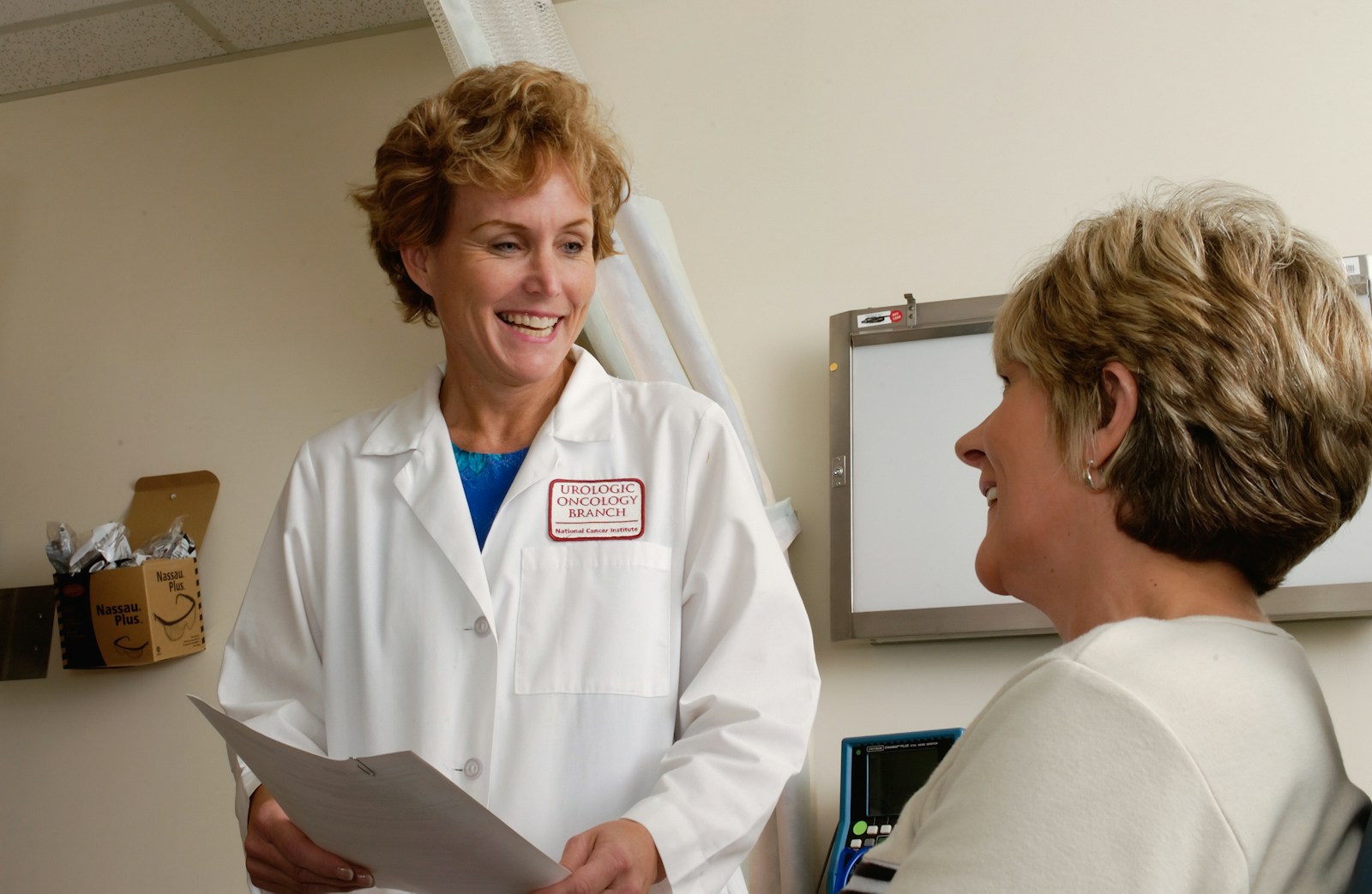
Patients notice words, tone, listening and behaviour. Respectful communication supports dignity and trust. India’s Patient Rights Charter recognises dignity and grievance redressal; NMC ethical standards apply specifically to registered medical practitioners. Hospitals should make professional communication an everyday expectation across all patient-facing roles.
Every conversation shapes your hospital’s reputation
A hospital’s professionalism is visible in its everyday interactions: how staff explain instructions, respond to questions and handle concerns.
Patients meet receptionists, nurses, doctors, billing teams, security personnel and housekeeping staff. Each interaction contributes to their impression of the organisation.
Experienced doctors and modern facilities matter. But being shouted at, dismissed or embarrassed can undermine confidence in the entire hospital.
What patients and families notice
| Builds trust | Damages trust |
|---|---|
| Speaking calmly and clearly | Shouting unnecessarily |
| Listening before responding | Interrupting or dismissing |
| Checking the situation | Making assumptions |
| Explaining hospital rules | Giving commands without context |
| Addressing concerns privately | Embarrassing someone publicly |
Same instruction. Different experience.
Consider a caregiver waiting outside while the patient’s room is being cleaned. Staff should check the situation before assuming the caregiver is ignoring instructions.
“Go inside! Why are you standing here?”
“Is your room being cleaned? Please wait in this area until it is ready.”
A brief question prevents an assumption. A clear explanation helps people cooperate. Hospitals can enforce rules while preserving dignity.
Patient rights include dignity
The Ministry of Health and Family Welfare’s Charter of Patients’ Rights and Responsibilities recognises:
- Human dignity, privacy and confidentiality during treatment.
- Relevant information about illness, investigations and care.
- The right to be heard and seek grievance redressal.
The Charter calls for a time-bound hospital grievance mechanism, an identified grievance officer and displayed contact details. These principles should inform how concerns are heard and addressed.
Regulatory context: adoption, implementation and monitoring depend on the relevant State or Union Territory and applicable framework. The Ministry’s explanation sets out this distinction.
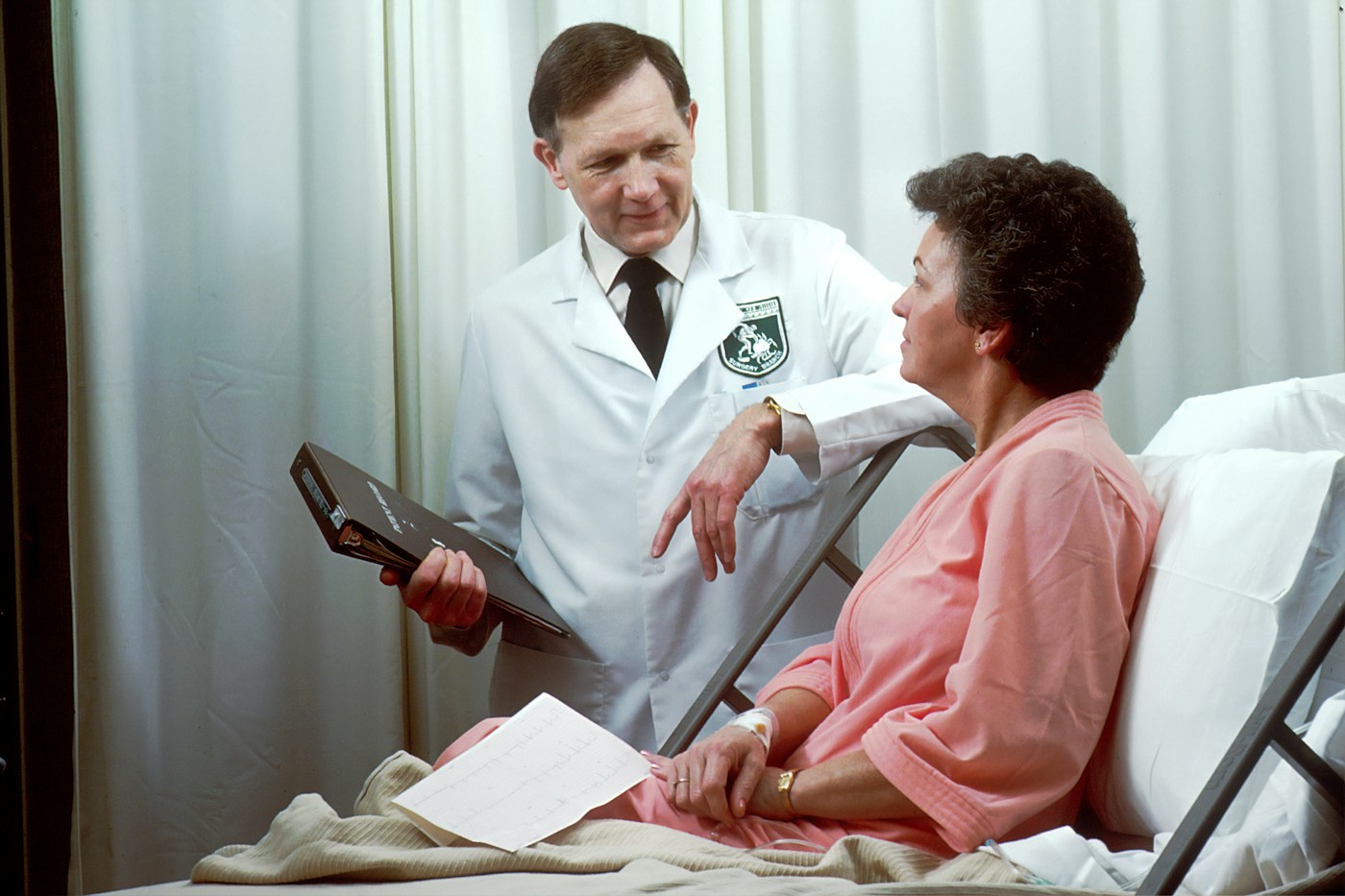
Where NMC ethical standards fit
The 2002 medical ethics regulations emphasise human dignity and patients’ confidence under Regulation 1.2.1. Regulation 2.2 identifies patience and delicacy as qualities expected of a physician.
The NMC’s 23 August 2023 amendment placed its 2023 professional conduct regulations in abeyance and adopted the 2002 regulations.
These medical ethics regulations govern registered medical practitioners. Rude behaviour by a nurse, receptionist or housekeeping employee should not automatically be labelled an NMC violation. Other staff concerns require assessment under applicable professional, institutional and regulatory frameworks.
What hospital leaders should do
- Train: include tone, listening and conflict resolution in staff induction.
- Support: address workload pressures and unclear responsibilities.
- Review: hear the patient’s account and the staff member’s explanation.
- Respond: acknowledge inappropriate conduct and take corrective action.
- Follow up: check whether complaints indicate a recurring problem.
Urgent safety situations may require immediate, firm instructions. Outside those circumstances, staff should explain restrictions clearly and respectfully.

Respect goes both ways
The Charter also asks patients to cooperate with care, respect the dignity of doctors and hospital staff, and never resort to violence.
Patients and families should raise concerns calmly. Staff should seek supervisory support when an interaction becomes tense. A clear complaint process helps everyone resolve disagreements.
Your hospital’s professionalism is expressed through your staff’s words, tone, listening and behaviour.
Some patients complain. Others leave quietly and choose another hospital next time. Management may never learn which interaction damaged their confidence.
Before requesting another Google review, ask whether patients felt heard, understood instructions and could raise concerns. Respectful communication belongs within patient care.
Further reading
Healthcare Content That Builds Patient Trust: 8 Principles for Hospitals and Clinics
References
- MoHFW: Charter of Patients’ Rights and Responsibilities, updated 23 August 2021.
- MoHFW / PIB: Charter of Patients’ Rights, 11 February 2022.
- NMC: Code of Medical Ethics Regulations, 2002; Regulations 1.2.1 and 2.2.
- NMC: Professional Conduct Amendment Regulations, 23 August 2023.
This article discusses communication, patient rights and hospital governance. It does not make findings about a particular hospital or individual.